One of the issues I find most challenging to explain to people working in other seafaring industries (cargo, research, exploration, transport, etc.) is that fishers are not considered seafarers… There are fishing boats that are larger than many other working vessels, like tugs and local ferries. Yet, the crew on these vessels have more regulatory protections under international agreements than fishers.
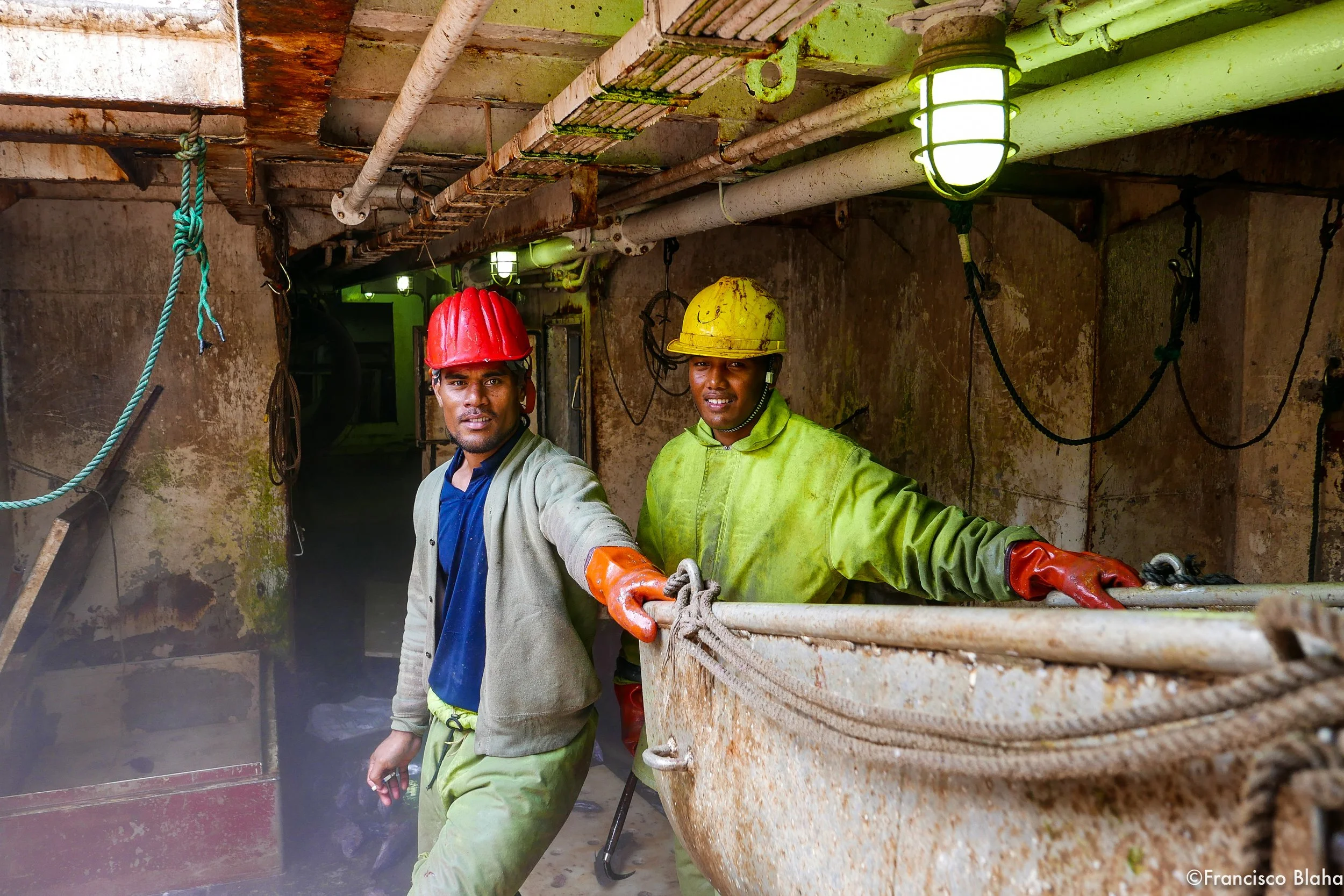
And while I know from experience, the extent to which this difference is entrenched became very clear to me while writing the fisheries chapter for the forthcoming Oxford Handbook of Human Rights at Sea.
The global fishing industry employs around 39 million people worldwide, yet despite its significance, fishers face systemic marginalisation under international law compared to seafarers, who benefit from stronger protections and greater global recognition.
So, I have been searching for someone who has conducted a comprehensive academic analysis of the justifications for this disparity, which undoubtedly stems from historical, structural, cultural and institutional differences.
And found it! All this is discussed in Daphne Guelker’s comprehensive paper: “Fishers and seafarers in international law – Really so different?” published in Marine Policy in 2023.
So here is a summary, but as usual, I recommend reading the original
The Legal Divide: MLC vs. C188
Two key international conventions govern the rights and protections of workers at sea: the Maritime Labour Convention, 2006 (MLC), and the Work in Fishing Convention, 2007 (C188). While the MLC is widely ratified and regarded as a success, C188 has struggled to garner support, with only 20 ratifications so far. The MLC explicitly excludes fishers from its definition of "seafarers," leaving them subject to the weaker protections under C188. This exclusion has resulted in significant consequences for fishers, including limited access to shore-based facilities, greater risk of abandonment, and fewer enforcement mechanisms compared to seafarers.
COVID-19 and the Crew Change Crisis
The COVID-19 pandemic revealed significant disparities in the treatment of seafarers and fishers. The "crew change crisis" left around 400,000 seafarers stranded on vessels, unable to return home or receive wages. This crisis attracted extensive media coverage and prompted initiatives like the Neptune Declaration, which aimed to support seafarers' well-being and secure their access to vaccines, health protocols, and repatriation. However, fishers, who encountered similar difficulties during the pandemic, were largely excluded from these efforts. Many fishing crews were stranded in foreign ports without access to communication, health services, or the protections granted to seafarers.
Four Key Reasons for the Disparity
Guelker outlines four main reasons for distinguishing between fishers and seafarers under international law.
Diverse Fisher Populations: The fishing industry covers a broad spectrum of activities, from small-scale artisanal fishing to large-scale commercial operations. The absence of a universally agreed-upon definition of small-scale fisheries (SSF) complicates efforts to establish global standards. While C188 aims to address these issues, its flexibility allows countries to exclude specific categories of fishers, leading to inconsistent protections.
Employment Structures: Unlike seafarers, who usually work under formal employment agreements, many fishers operate under "share of catch" arrangements. This system often classifies fishers as self-employed, excluding them from labour law protections. Even employed fishers face exploitative conditions, such as long working hours, poor living conditions, and limited access to collective representation.
Historic and Modern Maritime Zones: Traditionally, fishing was seen as a domestic issue, with vessels operating within their own territorial waters or on the high seas. However, the modern law of the sea has extended maritime zones, bringing fishing activities under foreign jurisdictions. Despite this change, fishing has not been recognised as a globalised industry that requires coordinated international responses, unlike seafaring.
Institutional Representation: The International Maritime Organisation (IMO) has played a vital role in establishing robust protections for seafarers, including the MLC. In contrast, the fishing industry is governed by a fragmented system involving the IMO, the International Labour Organisation (ILO), and the Food and Agriculture Organisation (FAO). This piecemeal approach has led to overlapping and inconsistent initiatives, further marginalising fishers.
Consequences of Marginalisation
The weaker protections for fishers have resulted in serious consequences. Fishing remains one of the most dangerous occupations worldwide, with mortality rates considerably higher than those in other industries. The FAO estimates that between 24,000 and 32,000 fishers die each year, primarily involved in small-scale fisheries. Accidents, injuries, and deaths are common due to hazardous working conditions, lack of safety gear, and extreme fatigue. Fishers frequently work long hours, suffer from poor nutrition, and get insufficient rest, which heightens the dangers of their occupation.
Cases of "sea slavery" and forced labour in the fishing industry have attracted media attention. Still, these extreme cases obscure the broader issues of labour exploitation and unsafe working conditions faced by most fishers. Initiatives aimed at tackling illegal, unreported, and unregulated (IUU) fishing have concentrated on fighting forced labour and human trafficking, but do not address the full range of fishers' rights.
Proposed Solutions
To tackle the disparity between fishers and seafarers, Guelker proposes several solutions.
Promote C188 Ratification: A collective effort is required to encourage states to ratify and implement C188. This would help harmonise protections for fishers across countries and ensure broader coverage.
Extend MLC Protections to Fishers: Including large-scale commercial fishers under the MLC could provide consistent protections for a significant portion of the fisher population. However, this would necessitate extensive renegotiations and political commitment.
Strengthen Collaboration Among International Organisations: The FAO, ILO, and IMO should work together to develop a clear strategy for promoting fishers' rights. This includes actively advocating for the ratification of relevant conventions and monitoring the implementation of non-binding instruments.
Engage Regional Fisheries Bodies (RFBs): RFBs should be encouraged to align their initiatives with international standards and promote the ratification of relevant conventions among their members. This would help reduce the fragmented nature of protections for fishers. This is happening, as we have seen in the case of the WCPFC.
Address Structural Barriers: The unique employment structures in the fishing industry, such as share fishing, should not be used as an excuse to deny fishers basic protections. C188 has demonstrated that these arrangements can be addressed through Fisher's work agreements.
Conclusion
The differentiation between fishers and seafarers under international law is unjustified and has led to significant disparities in protection. Fishers face hazardous working conditions, exploitation, and marginalisation, despite their critical role in global food security. While extending MLC protections to fishers may be challenging, promoting C188 ratification and fostering collaboration among international organisations and RFBs are more immediate and feasible solutions. A unified and harmonised framework is essential to ensure safety and decent work for all fishers, regardless of their classification or the scale of their operations.