About
Half of the seafood traded internationally originates in developing countries, and to a large extent (85%) is destined for developed countries. Such is the importance of seafood in the developing world that its net yields exceed those from the combined exports of tea, rice, cacao, and coffee.
All food production systems have impacts, and it is easy to dismiss one when your livelihood does not depend on them. My life has depended on fisheries since I was a teenager; hence, I understand the implications of failure. There are many problems in fisheries, and my work is to help those dealing with some of them.
The existence of negative incentives such as subsidies that contribute to overfishing and overcapacity of fishing fleets, and damaging fishing practices like illegal, unreported and unregulated (IUU) fishing, have contributed to the overexploitation of some fish populations. While others, like the tuna fishery in the Western Central Pacific, are being maintained under sustainable harvest thanks to the work and care of the Pacific Islands Coastal States.
Furthermore, exporting countries need to provide high-level guarantees (typically stricter than their own regulations) to demonstrate to importing countries that the seafood traded is safe to eat and legally caught. This is quite a challenge for developing countries and, in many cases, becomes an indirect barrier to trade.
Then, how do we maintain sustainable fishing, thus allowing countries to gain long-term benefits from trade, control IUU fishing, allow for the recovery of affected fish stocks, and ensure that technical issues do not become barriers to commerce?
Well... It is a massive challenge, and working on some aspects of it is my job for various international agencies, governments, NGOs, and responsible technology and service providers around the world.
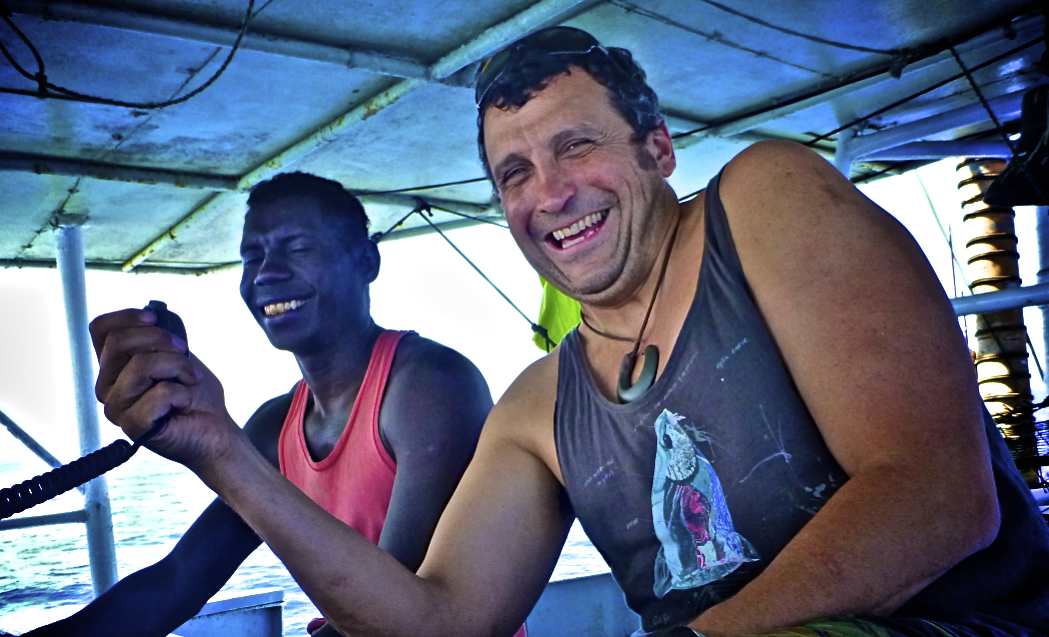
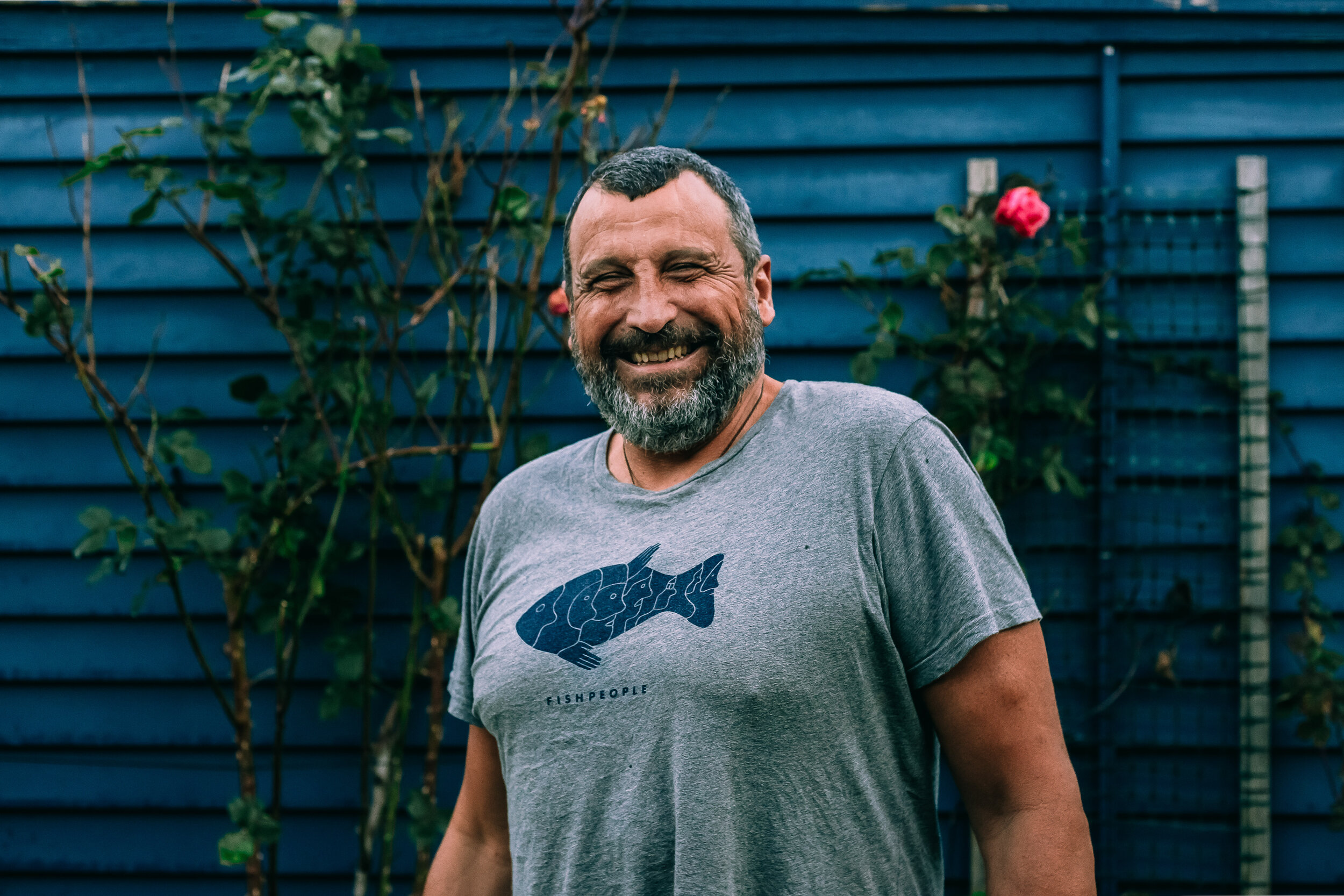
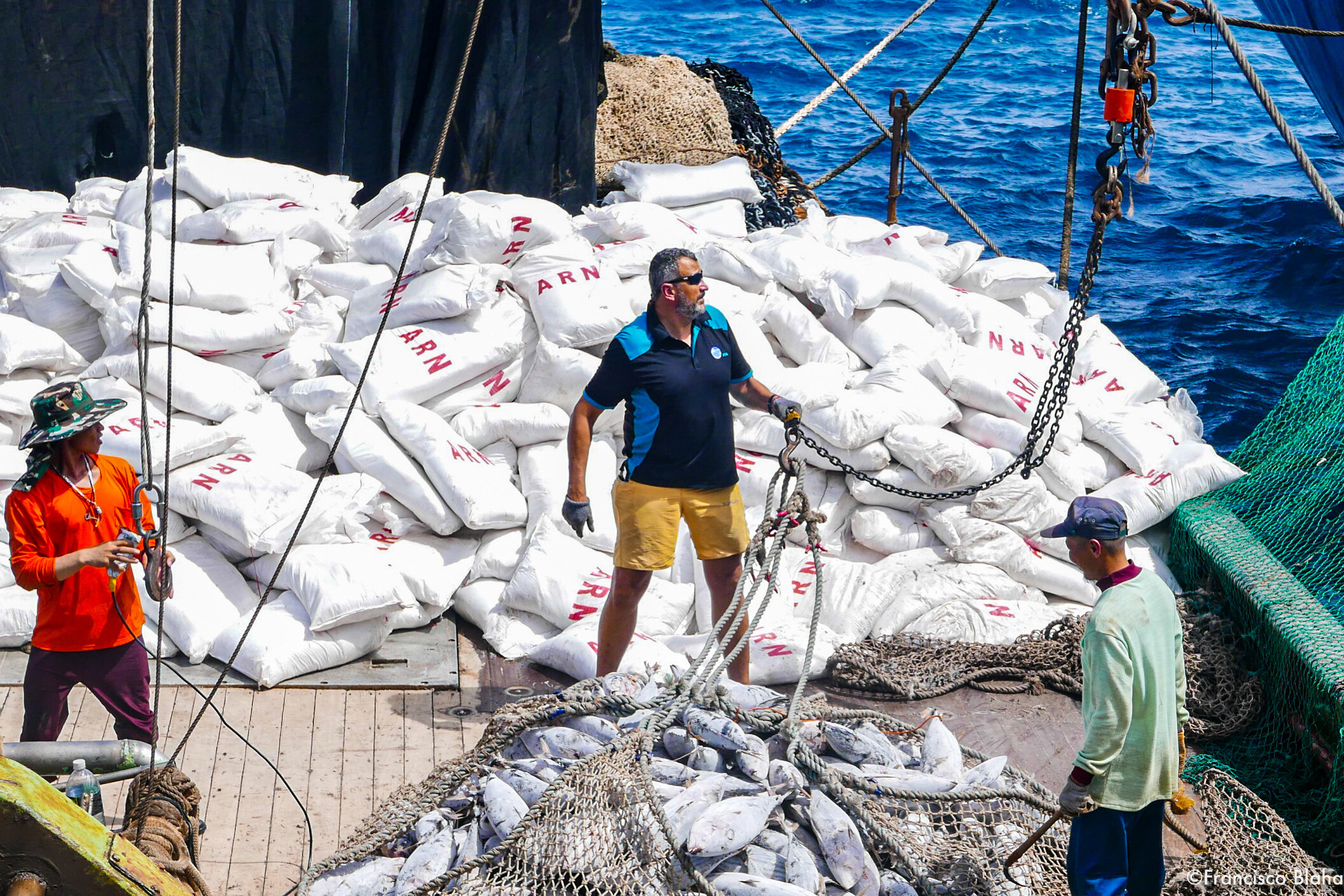
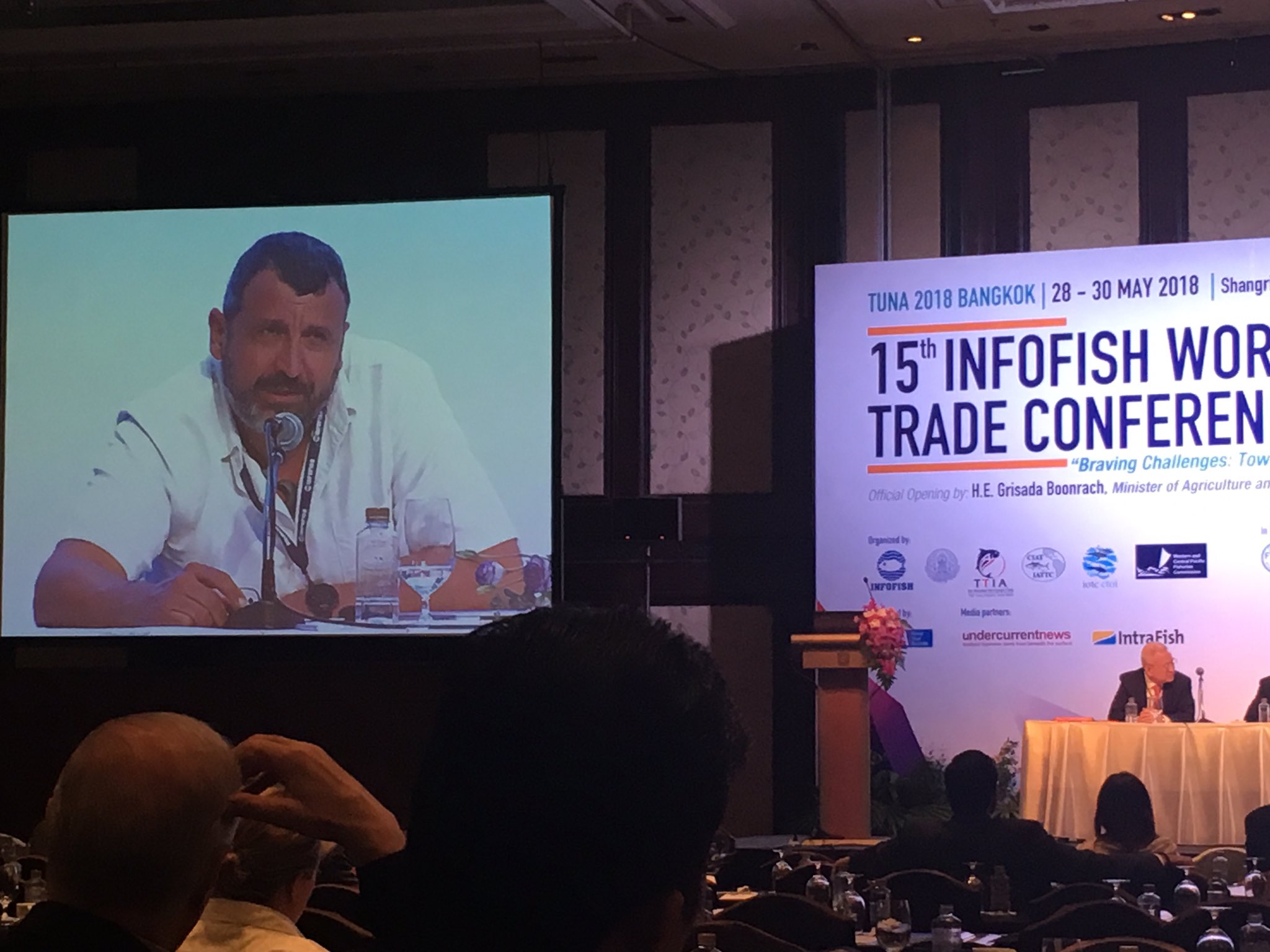
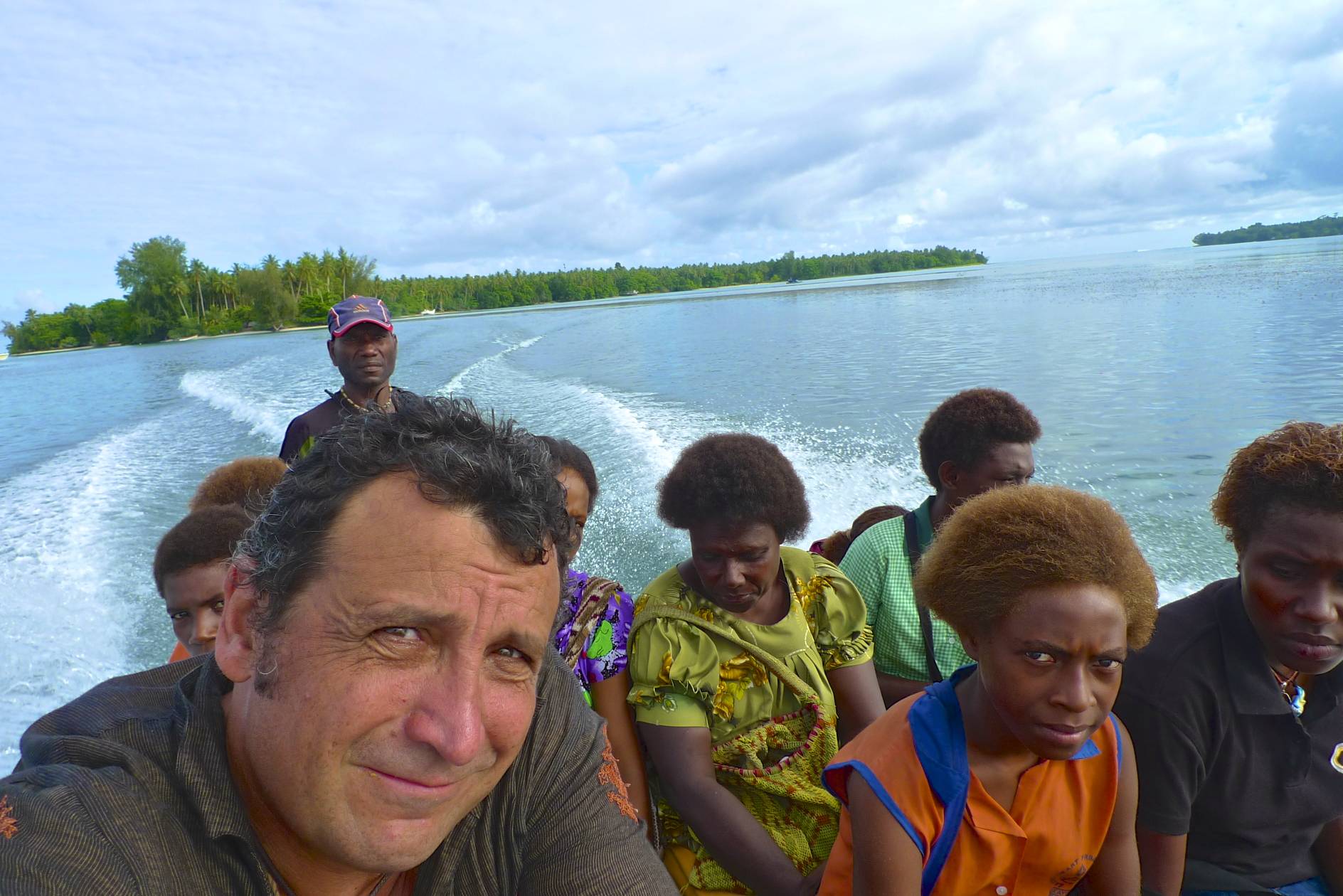
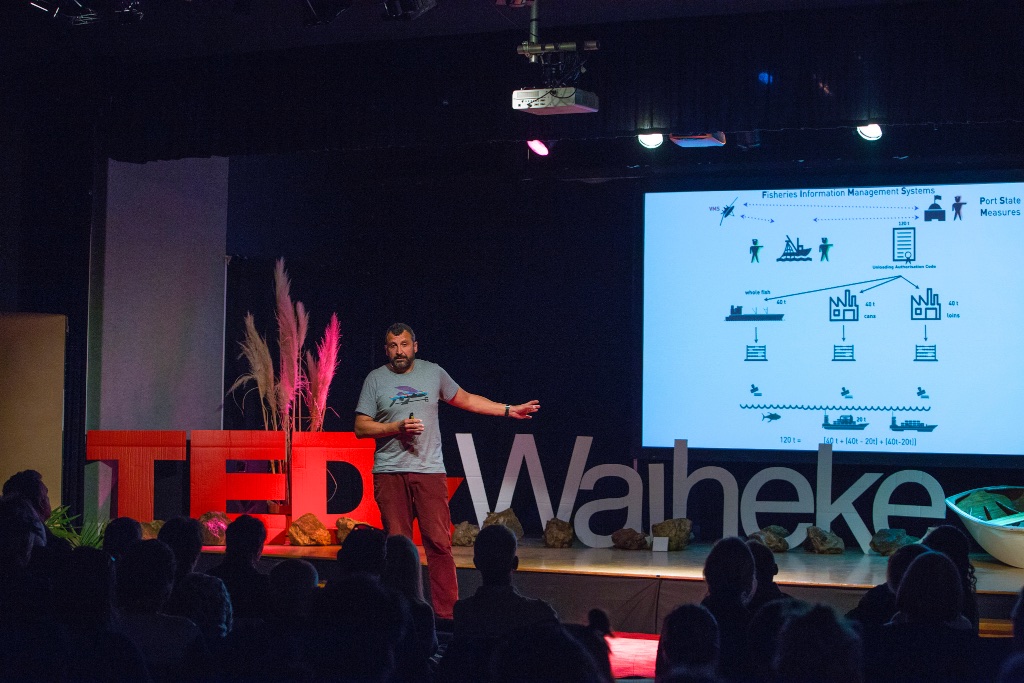
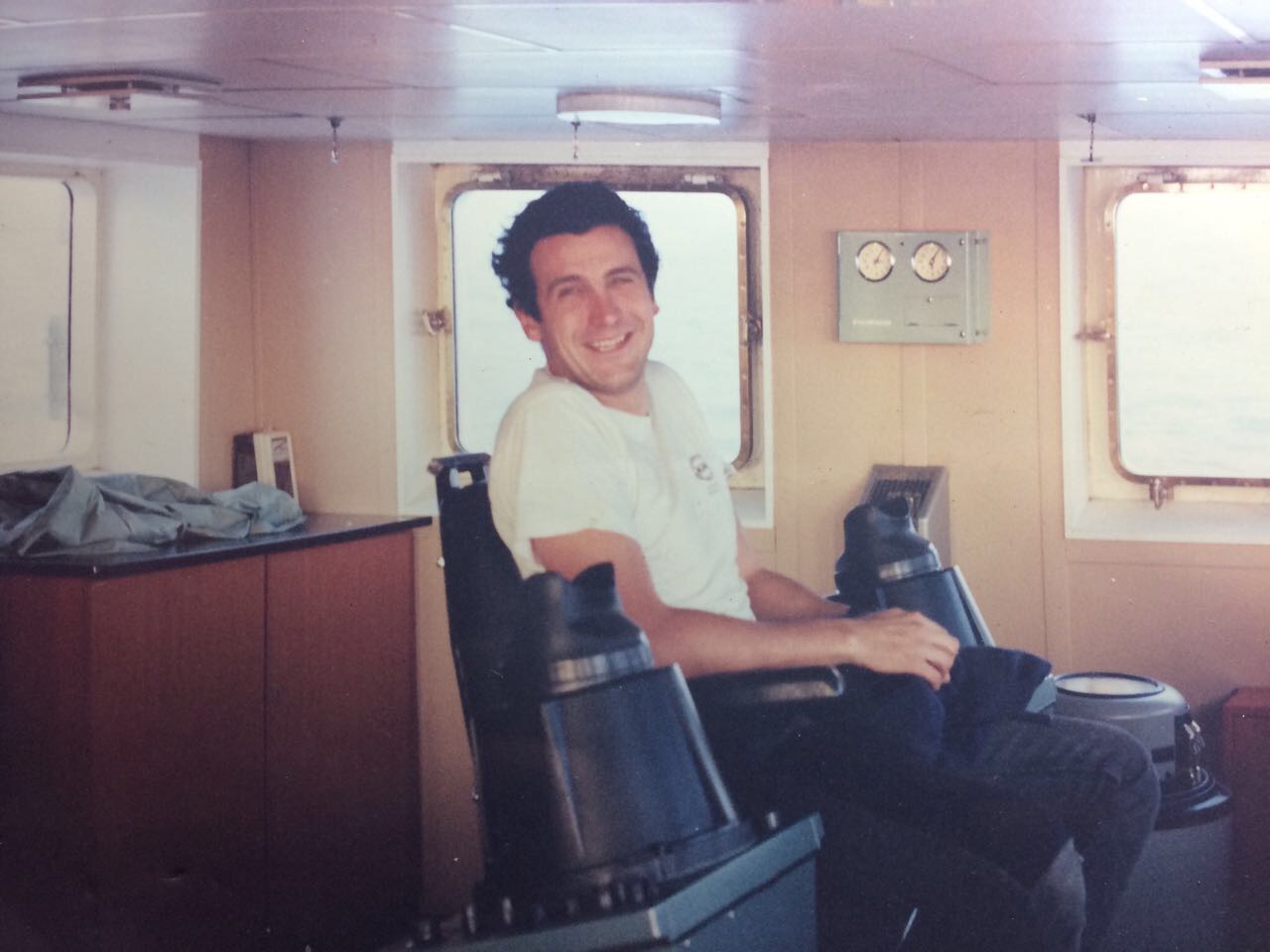
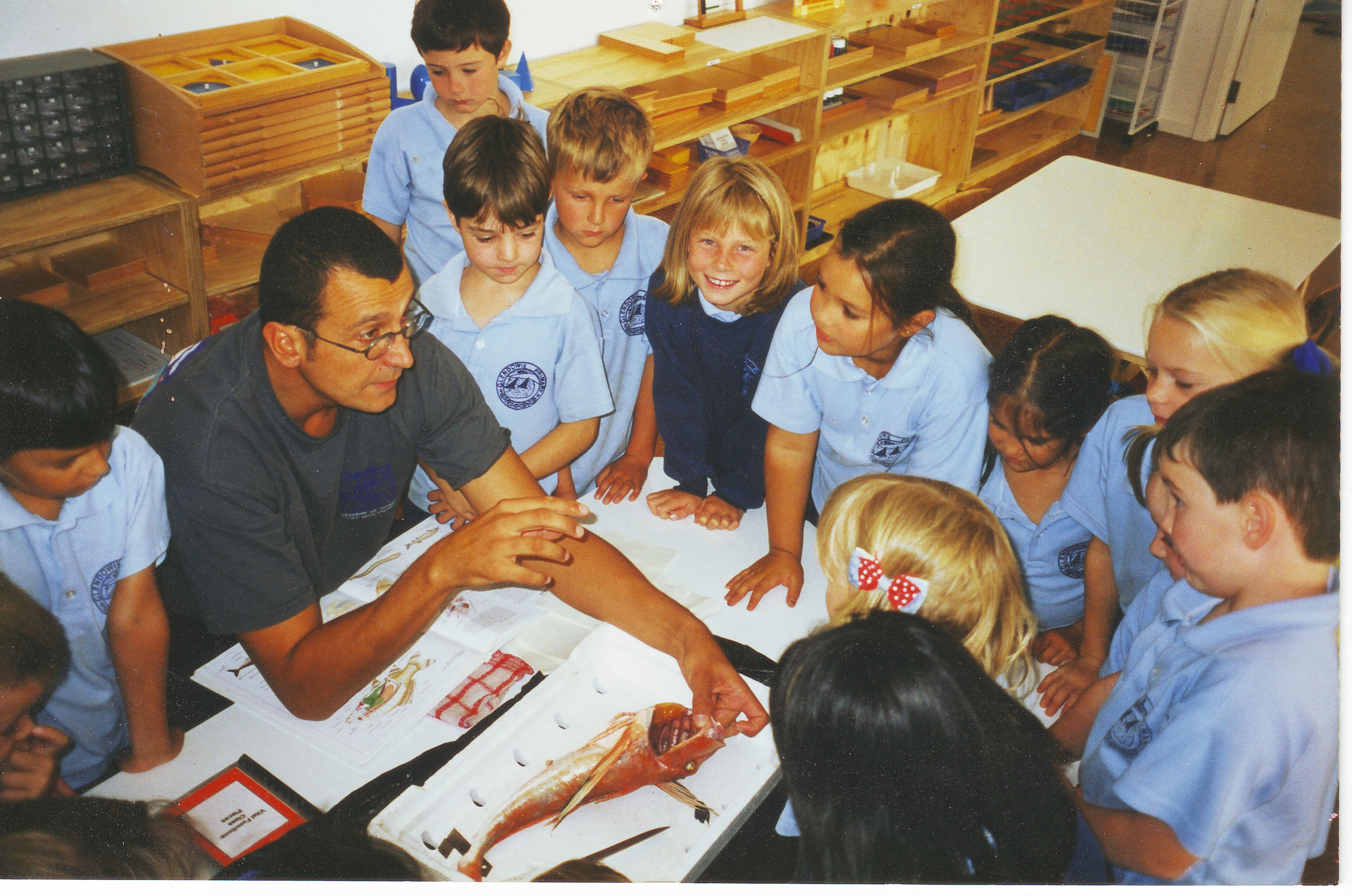
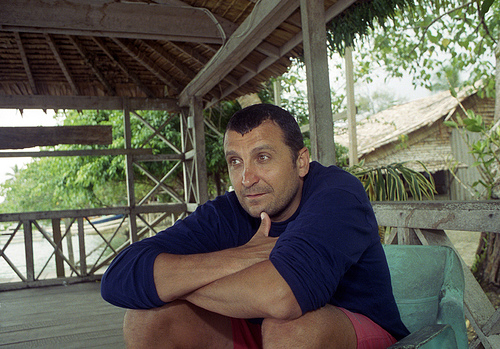
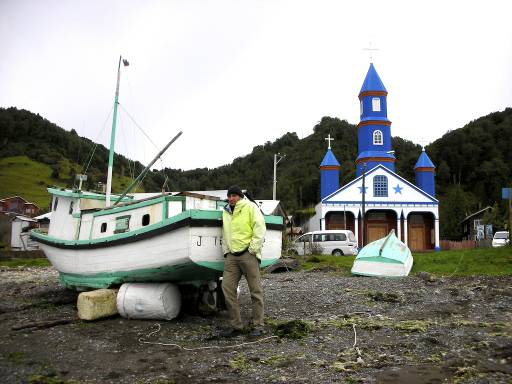
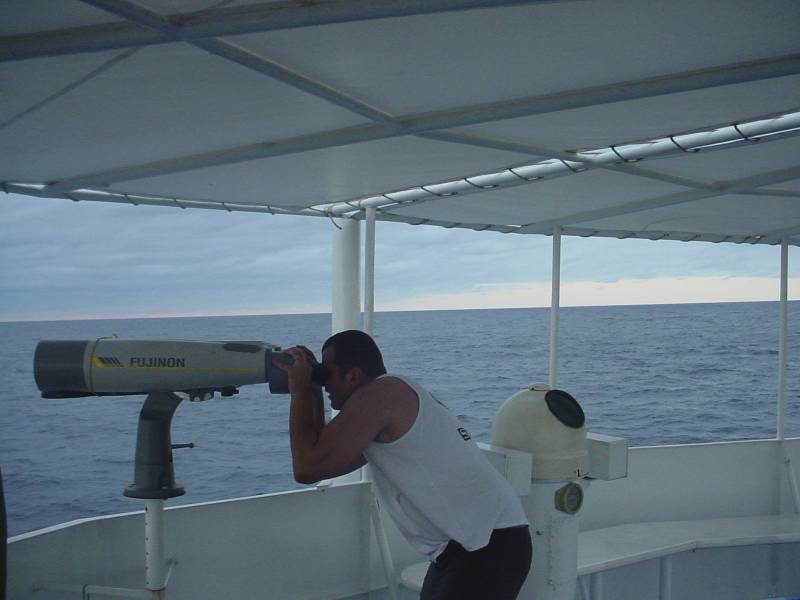
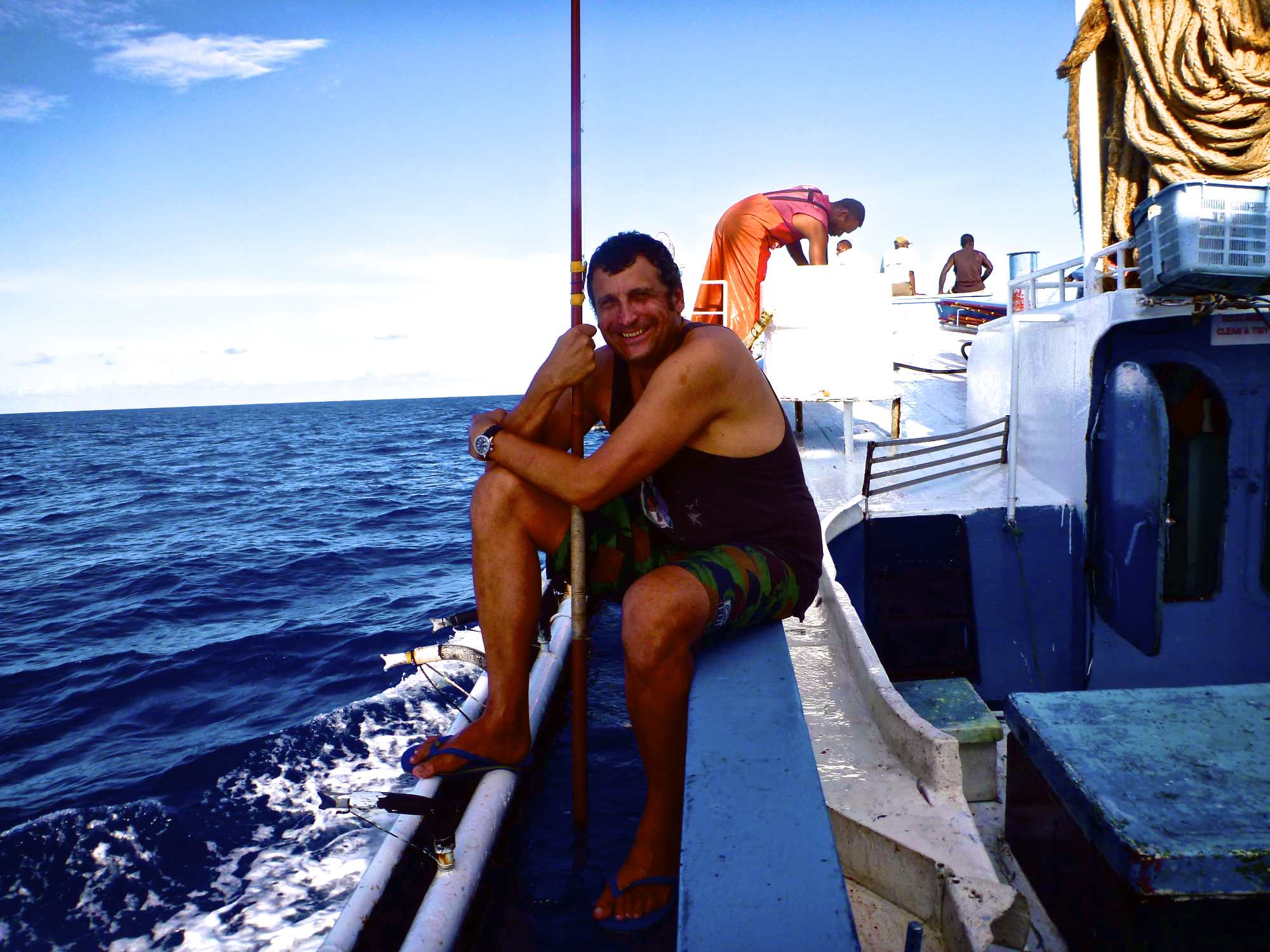
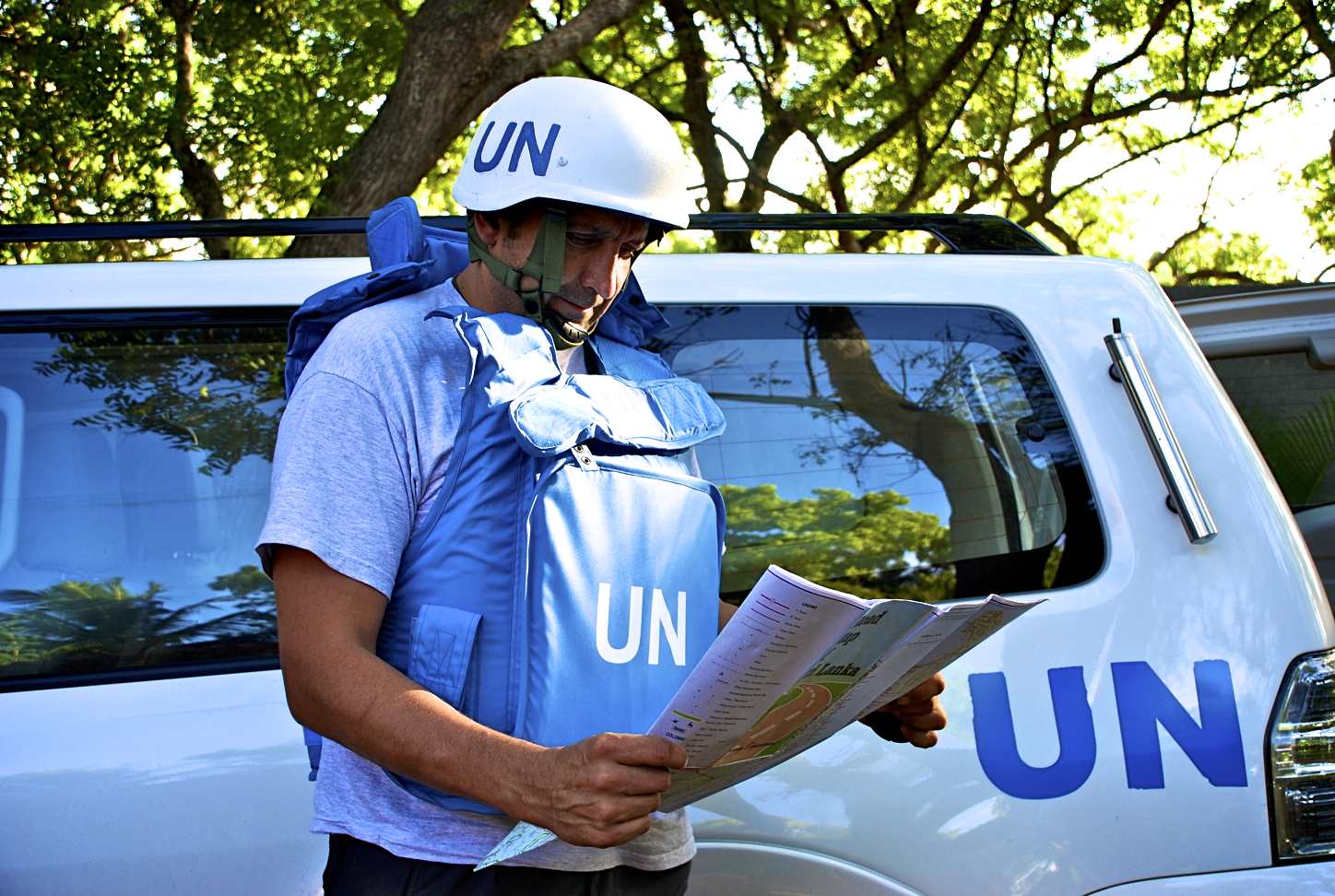
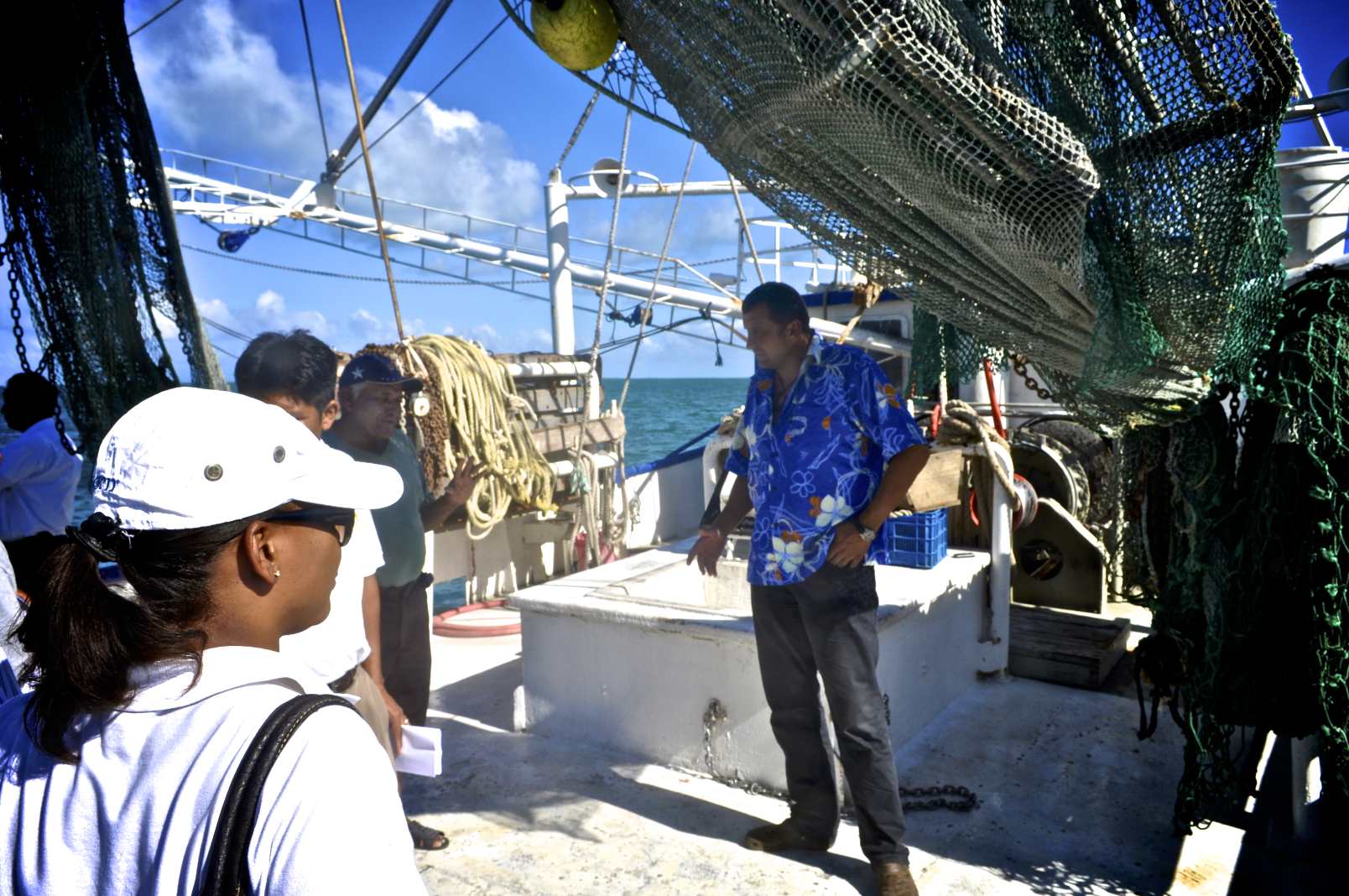


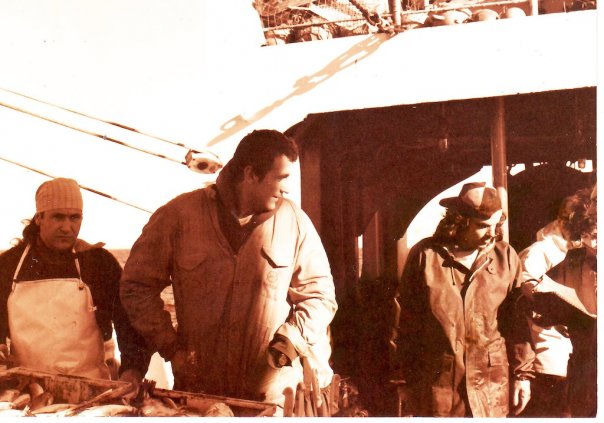

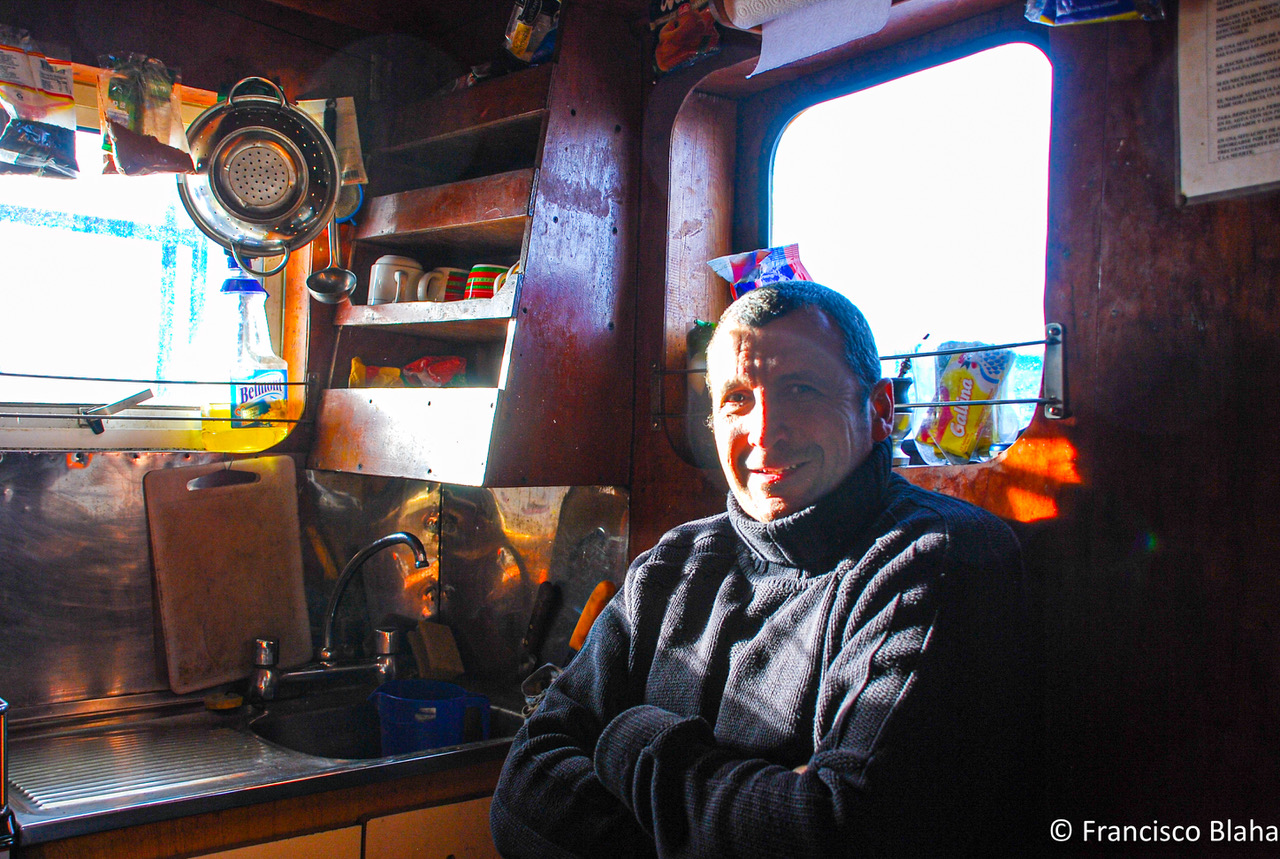
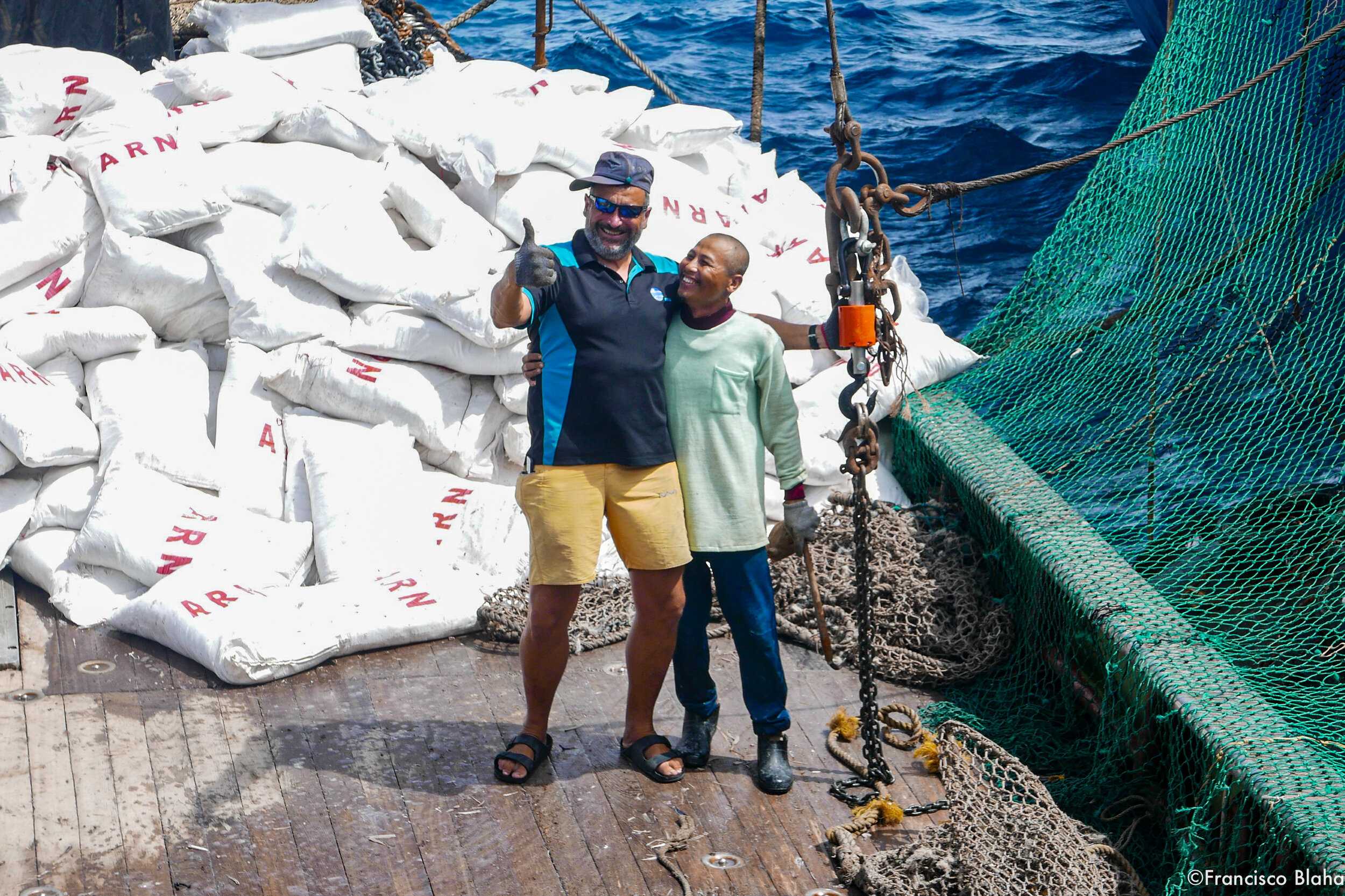
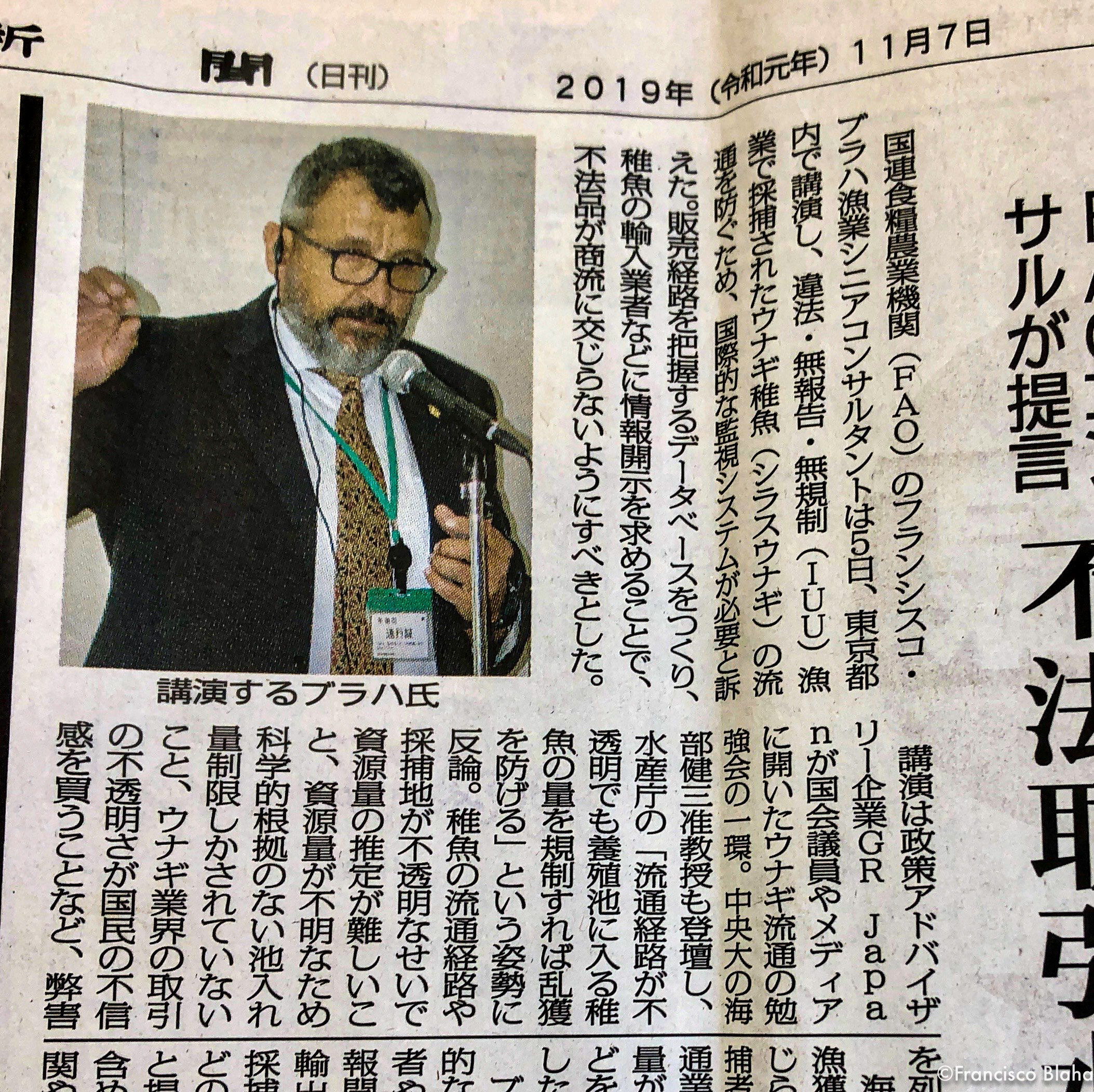
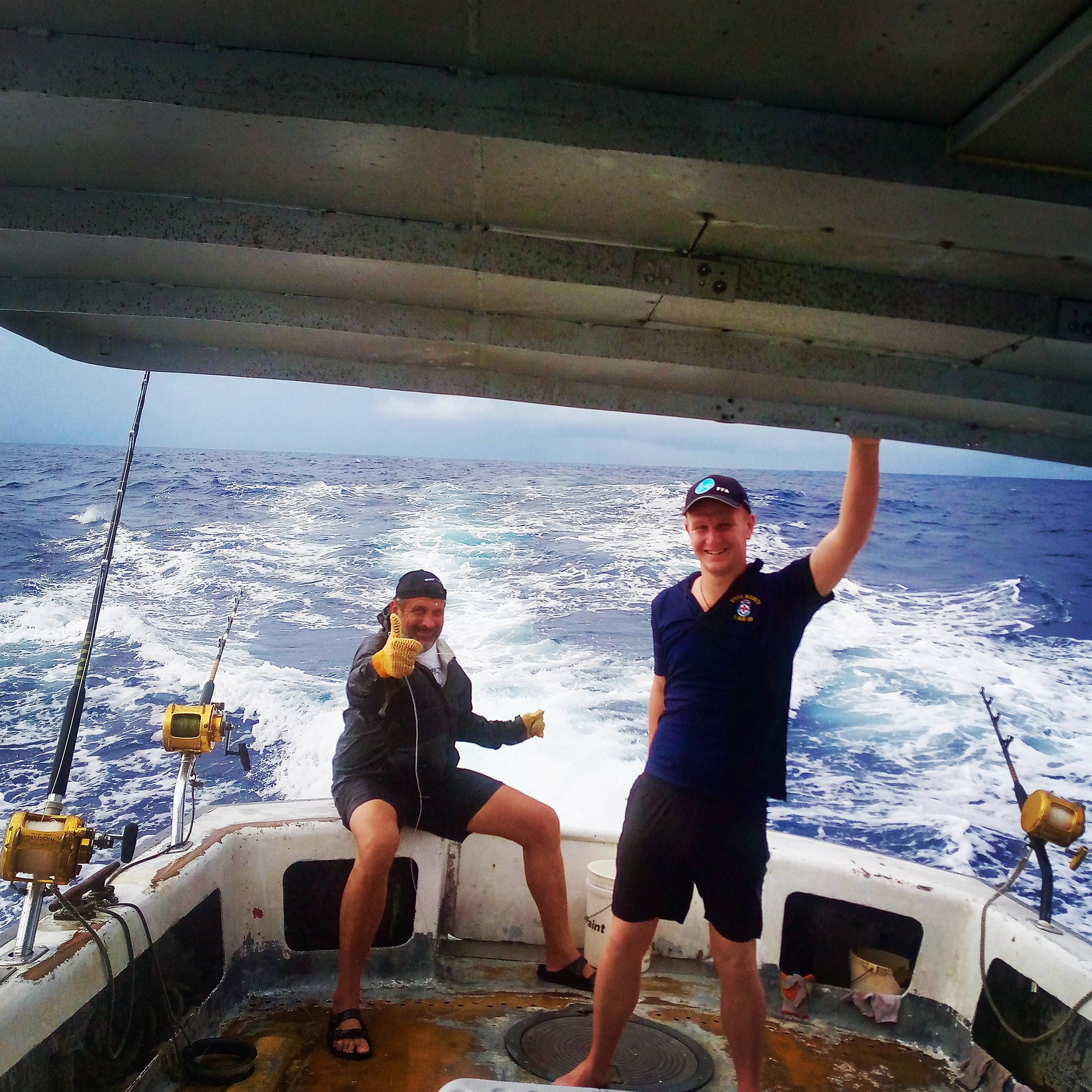
My experience ranges across the entire fisheries sector since the 80s. I commenced as a crew member and later a fisheries observer in the squid, hake and toothfish fleets in Southern Argentina. Along the way, I gained an MSc in Fisheries Biology and became a Researcher in Argentina’s fisheries research and development institute (INIDEP).
In the 90s, I migrated to the Pacific and went back to be a fisher in the tuna longline fishery and later in New Zealand, where I worked my way from a crew member in the domestic fleet to a councillor in the NZ Seafood Standards Council and R&D Officer at Sanford, NZ’s biggest fishing company.
In 2000 after completing a 2nd MSc (Food Science) at Auckland University, I initiated a consultant career that has provided me with a wide international experience in over 55 countries for development organisations such as the EU, FAO, SPC, FFA, UNDP, AusAID, USAID, SADC, GTZ, ADB technology providers like Ocean Mind, GFW, XERRA and FIMS, also some NGOs.
In 2022, I had the opportunity to become a Rhodes Ocean Scholar after successfully finalising my studies at the Rhodes Academy of Oceans Law and Policy.
Beside my industry background, I have proven expertise in a wide range of development areas, such as Monitoring Control and Surveillance (MCS), Port State Measures (PSM), Fisheries Information Management Systems (FIMS), Catch Documentation Schemes (CDS), Regulatory Compliance, EU IUU & SPS Market Access Requirements, Private Sector Support, Fisheries Research, Project Management, and increasingly labour srights for foishers
My experience in institutional strengthening and capacity building practices with regulatory institutions, coupled with long-term involvement with the private sector from fishing boat crews to executive roles, gave me skills in participative stakeholder management and industry involvement in regulatory decision-making.
I'm well experienced in extension and training from factory to university level in seafood safety and fisheries-related matters, including the development of new media and paper-based training materials.
I have a keen interest in cleaner technologies and efficient resource management, as well as a good understanding of gender issues, labour rights and multicultural issues in the workplace.
I'm fluent in 4 languages and feel comfortable in fishing boats, coastal villages, factories and boardrooms (mostly in that order)
Some of my principles and ideas regarding my work are in this interview