This is not a new concept… some of the authors in this paper have been beating that drum for some years now ( I have written about it here and here )
I have long thought that fisheries seem to be subject to public scrutiny at different levels than agriculture… a typical example in NZ, around 1.1-2% of the EEZ, is actually bottom-trawled each year, primarily on established fishing grounds, while around 50-51% of NZ's total land area is used for agriculture and horticulture. Yet we mostly hear about the trawl impact.
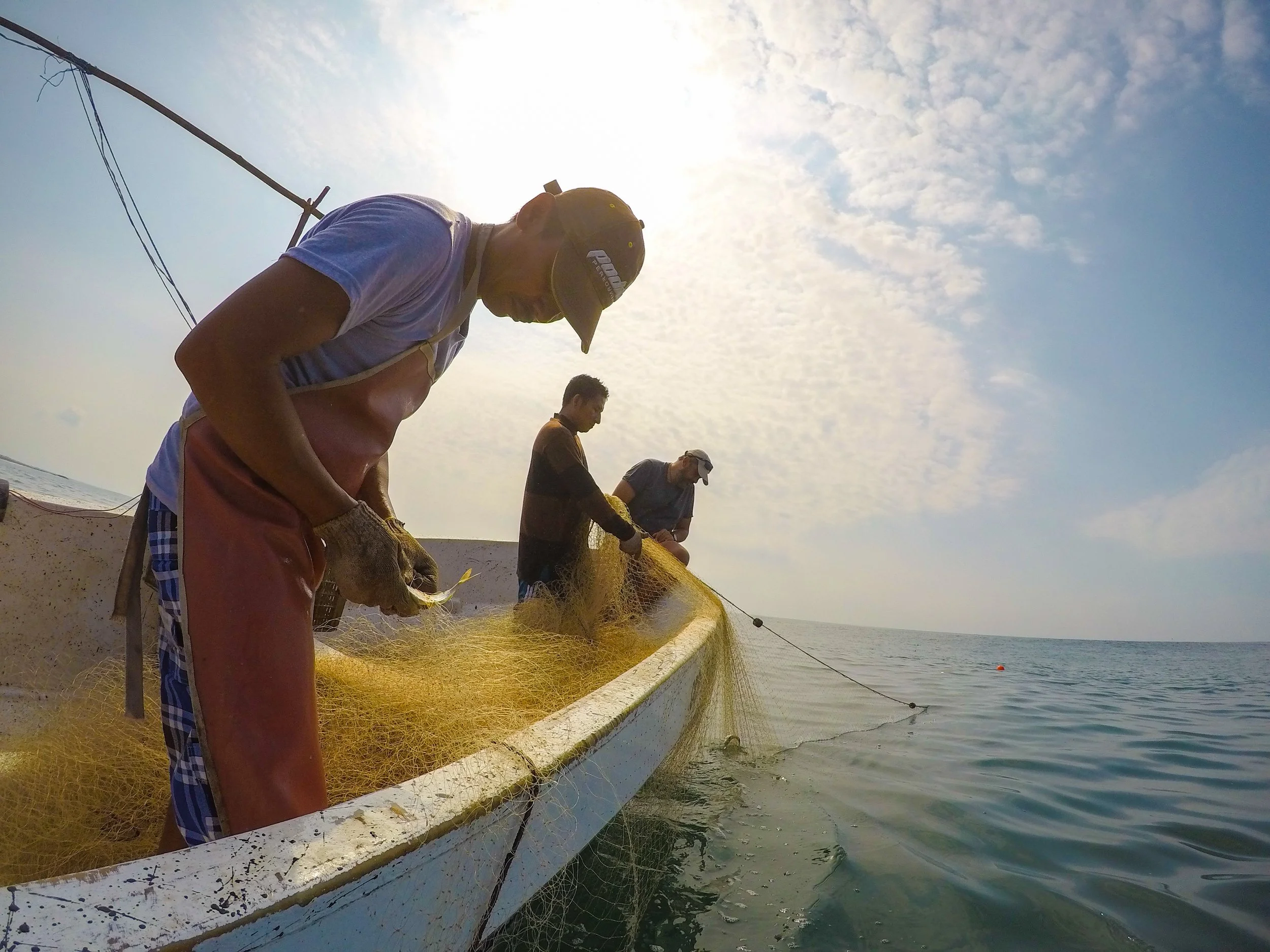
The paper "Biodiversity Consequences of Replacing Animal Protein From Capture Fisheries With Animal Protein From Agriculture" examines the environmental and biodiversity impacts of substituting animal protein from marine capture fisheries with sources from agriculture. The authors argue that such a shift could exacerbate global biodiversity loss because agriculture has a more significant effect on ecosystems than the less invasive methods.
Below is a summary, but as always, read the original!
Introduction: The Sustainability Debate in Food Production
The paper begins by examining the growing global debate on sustainable food systems, particularly regarding animal protein consumption. Documentaries like Seaspiracy and Oceans have raised concerns about the sustainability of seafood, leading to calls to reduce reliance on marine capture fisheries. Although cutting down on meat and fish is often seen as environmentally beneficial, the authors challenge the notion that agriculture is inherently less impactful than fisheries, particularly when biodiversity is used as the benchmark.
Agriculture and Fisheries: Effects on Biodiversity
The authors emphasise the vital role of food production in causing biodiversity loss. Agriculture uses about half of the Earth’s habitable land, with 77% of this dedicated primarily to animal farming, mainly cattle rearing. This land conversion significantly drives biodiversity decline, especially in tropical forests, which are among the most biologically diverse habitats worldwide. The paper observes that agriculture often replaces complex ecosystems with simplified, human-managed systems, leading to irreversible impacts on biodiversity.
In contrast, fisheries primarily impact higher trophic levels in aquatic ecosystems, leaving the lower levels of the food chain relatively unaffected. Although fishing can lead to localised ecosystem changes and species depletion, well-managed fisheries aim to operate within the natural structures and functions of ecosystems, thereby reducing long-term damage.
Land Use Implications of Replacing Marine Protein with Agricultural Protein. The paper provides detailed calculations to estimate the land area needed to replace the protein currently obtained from marine capture fisheries with agricultural alternatives. If marine protein were replaced by the current proportional mix of livestock (beef, lamb, chicken, and pork), an additional 4.99 million square kilometres of land would be required—an area larger than the intact rainforest in Brazil. Replacing fish protein with grains or soy would require considerably less land, but the biodiversity impacts of such a shift remain significant.
The authors also examine the implications of replacing fishmeal in aquaculture with soy-based alternatives. They estimate that this transition could require up to 47,453 square kilometres of new agricultural land, further exacerbating biodiversity loss. While alternative feeds for aquaculture are being developed, the dominant option remains crops like soy, which carry their own environmental trade-offs.
Extinction Risks and Threats to Biodiversity
Using data from the International Union for Conservation of Nature (IUCN) Red List, the authors compare the extinction risks posed by agriculture and fisheries. Agriculture is identified as a significantly greater threat to biodiversity, with approximately 22,728 species listed as Critically Endangered, Endangered, or Vulnerable due to agricultural activities, compared to 2,143 species threatened by fishing. This disparity is attributed to the transformative nature of agriculture, which replaces native ecosystems with monocultures or non-native species, whereas fisheries generally do not involve habitat removal.
The paper also emphasises that agriculture poses considerable risks to aquatic species, including those in freshwater and estuarine systems. For example, agricultural activities such as dam construction and water extraction can disrupt aquatic ecosystems, amplifying the impacts of fishing. Even in marine environments, agriculture indirectly threatens species through coastal habitat degradation caused by agricultural runoff and pollution.
Trophic Level Impacts: Agriculture versus Fisheries
The authors explore differences in impacts across trophic levels between agriculture and fisheries. Agriculture primarily targets the bottom of the food chain (plants and primary producers), leading to the replacement of native species with crops and livestock preferred by humans. This transformation often triggers cascading effects on higher trophic levels, reducing biodiversity and altering ecosystem functions.
In contrast, fisheries primarily target higher trophic levels, such as predatory fish, leaving lower trophic levels relatively unaffected. Although specific fishing methods, such as bottom trawling, can affect benthic ecosystems, these effects are usually localised and less extensive than the widespread habitat loss caused by agriculture.
Trade-offs and Policy Implications
The paper emphasises the importance for policymakers to consider the broader effects of dietary changes and food production methods on biodiversity. While reducing livestock consumption and advocating for plant-based diets could decrease land use and biodiversity impacts, the authors warn against oversimplified solutions that call for the complete elimination of marine fisheries or the use of fish in aquaculture. Such approaches could lead to unintended consequences, including increased pressure on terrestrial ecosystems.
The authors argue that well-managed fisheries can be a sustainable source of animal protein while minimising impacts on biodiversity. Effective fisheries management practices, such as regulating harvests and rebuilding stocks, have already proven successful in improving fish stock status and reducing ecosystem disruption. Transitioning to protein from well-managed fisheries could help lessen biodiversity loss associated with rising agricultural production.
The Importance of Comprehensive Tools and Comparisons
The paper advocates for developing tools to compare the biodiversity impacts of different food production methods objectively. While Life Cycle Analysis (LCA) remains a valuable method for assessing environmental impacts, it often does not sufficiently account for biodiversity effects, especially in the context of seafood production. Incorporating ecosystem models and input-output analyses into LCA could provide more detailed insights into the trade-offs between land- and water-based food production systems.
The Role of Fisheries Management in Reducing Biodiversity Loss.
The authors emphasise the undervalued importance of effective fisheries management in reducing biodiversity impacts. By adopting sustainable practices, fisheries can minimise ecosystem changes and prevent the loss of iconic species. Better management could also lead to significant increases in fish catches, reducing dependence on land-based protein production and its associated biodiversity impacts.
Future Challenges and Ethical Considerations
The paper concludes by examining the complexities of future food production choices. The rise of fish-free "seafood" products and lab-grown animal proteins presents new challenges in assessing environmental and nutritional impacts. The authors highlight the importance of transparency in sourcing and manufacturing these alternatives, as well as the necessity for independent verification of sustainability claims.
Ultimately, the paper indicates that the increasing global population and wealth, particularly in developed nations, are driving unsustainable food production methods. Policymakers must carefully assess the impacts of dietary changes and agricultural methods to prevent further biodiversity decline and other environmental issues.
Key Takeaways
Agriculture poses a greater threat to biodiversity loss than fisheries, due to its disruptive effects on ecosystems.
Land Use: Replacing marine protein with agricultural protein would necessitate significant land conversion, further threatening biodiversity.
Extinction risks: Agriculture poses a greater threat to species extinction than fisheries, particularly for terrestrial and freshwater species.
Trophic Level Impacts: Agriculture affects lower trophic levels, leading to ecosystem changes, while fisheries primarily impact higher trophic levels.
Policy Implications: Policymakers should consider the broader biodiversity impacts of dietary changes and food production strategies, emphasising the importance of well-managed fisheries.
Future Challenges: The rise of fish-free and lab-grown animal proteins requires a thorough assessment of their environmental impact and greenhouse gas emissions.